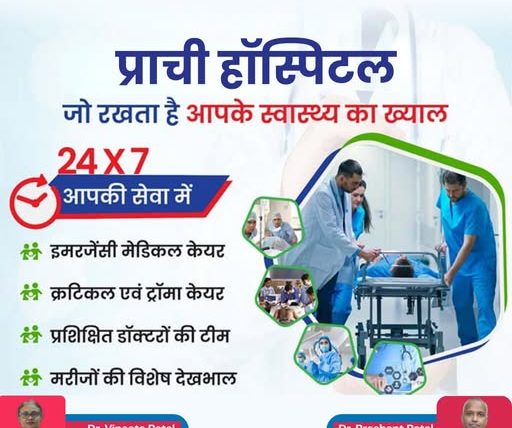
Digestive health plays a vital role in overall well-being. Millions of people experience stomach problems such as acidity, gastritis, ulcers, constipation, diarrhea, bloating, acid reflux, and irritable bowel syndrome (IBS). While some stomach issues resolve on their own, persistent symptoms require professional medical evaluation.
At Prachihospital, we provide better treatment for stomach diseases using modern diagnostic techniques, experienced gastro specialists, and personalized treatment plans to help patients regain digestive health.
What Are Stomach Diseases?
Stomach diseases refer to medical conditions affecting the stomach and digestive tract. They may be caused by infections, unhealthy eating habits, stress, autoimmune disorders, or chronic illnesses.
Common stomach diseases include:
- Gastritis
- Peptic Ulcers
- Acid Reflux (GERD)
- Food Poisoning
- Stomach Infection
- Irritable Bowel Syndrome (IBS)
- Inflammatory Bowel Disease (IBD)
- Constipation
- Diarrhea
- Gastric Polyps
- Stomach Cancer (rare but serious)
Common Symptoms
You should consult a gastro specialist if you experience:
- Persistent stomach pain
- Burning sensation in the chest
- Acidity
- Heartburn
- Nausea
- Vomiting
- Loss of appetite
- Blood in stool
- Black stool
- Frequent constipation
- Chronic diarrhea
- Bloating
- Excessive gas
- Unexplained weight loss
Causes of Stomach Diseases
Several factors contribute to stomach disorders:
Poor Diet
Highly processed foods, spicy meals, and excessive oily foods.
Helicobacter pylori Infection
One of the leading causes of ulcers.
Stress
Chronic stress can worsen digestive problems.
Smoking
Damages the stomach lining.
Alcohol
Excessive alcohol causes inflammation.
Long-term Painkiller Use
NSAIDs increase ulcer risk.
Food Allergies
Can trigger digestive symptoms.
Autoimmune Diseases
May affect the digestive tract.
Diagnosis
Our gastro specialists may recommend:
- Physical examination
- Blood tests
- Stool examination
- Endoscopy
- Colonoscopy
- Ultrasound
- CT Scan
- H. pylori testing
- Liver function tests
Better Treatment for Stomach Diseases
Treatment depends on the underlying condition.
Medications
Doctors may prescribe:
- Antacids
- Proton Pump Inhibitors (PPIs)
- Antibiotics
- Probiotics
- Anti-spasmodic medicines
- Anti-inflammatory medicines
Lifestyle Changes
Patients are advised to:
- Eat balanced meals
- Avoid spicy foods
- Drink enough water
- Exercise regularly
- Quit smoking
- Reduce alcohol intake
- Sleep adequately
- Manage stress
Diet Therapy
Nutrition plays an important role in digestive recovery.
Recommended foods include:
- Oats
- Yogurt
- Bananas
- Rice
- Apples
- Boiled vegetables
- Soups
- Lean proteins
Avoid:
- Fried foods
- Excessive caffeine
- Carbonated drinks
- Fast food
- Processed foods
Endoscopic Procedures
Modern endoscopy helps diagnose and treat many stomach disorders without major surgery.
Surgery
Surgery is recommended only for selected conditions such as:
- Severe ulcers
- Tumors
- Intestinal obstruction
- Gastric cancer
Why Choose Our Hospital?
✔ Experienced Gastroenterologists
✔ Advanced Endoscopy Unit
✔ Digital Diagnostic Facilities
✔ Personalized Treatment Plans
✔ Experienced Nursing Team
✔ Affordable Care
✔ Emergency Services
✔ Comprehensive Digestive Care
Frequently Asked Questions (FAQ)
Q.1) What is the best treatment for stomach diseases?
The best treatment depends on the specific condition. It may include medications, dietary changes, lifestyle modifications, endoscopic procedures, or surgery.
Q.2) Can stomach diseases be cured?
Many stomach diseases are completely treatable when diagnosed early. Chronic conditions can often be effectively managed with ongoing medical care.
Q.3) Which doctor treats stomach diseases?
A gastroenterologist specializes in diagnosing and treating stomach and digestive disorders.
Q.4) Can stress cause stomach problems?
Yes. Stress can worsen acid reflux, gastritis, IBS, and other digestive conditions.
Q.5) How can I keep my stomach healthy?
Eat a balanced diet, stay hydrated, exercise regularly, avoid smoking, limit alcohol, and manage stress.
I am text block. Click edit button to change this text. Lorem ipsum dolor sit amet, consectetur adipiscing elit. Ut elit tellus, luctus nec ullamcorper mattis, pulvinar dapibus leo.