
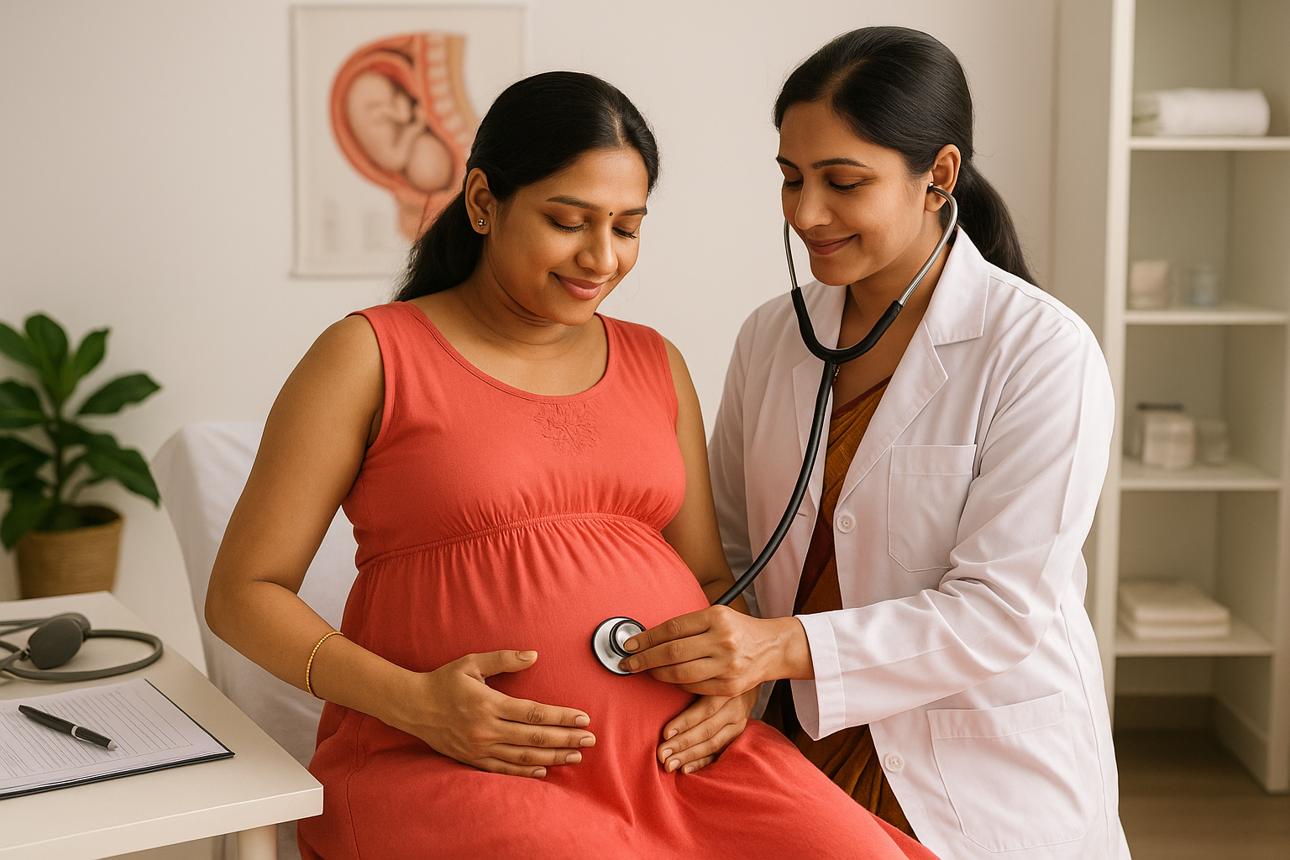
Pregnancy is a beautiful journey that brings excitement, hope, and many changes to a woman’s body and life. With the right prenatal care, healthy habits, emotional support, and regular medical guidance, you can take important steps toward a healthy pregnancy for yourself and your baby.
During pregnancy, small precautions can lay the foundation for a healthy future for you and your baby.
Every pregnancy is different. Therefore, medical advice should always be personalized according to your health, pregnancy stage, medical history, and your healthcare provider’s recommendations.

Why Prenatal Care Is Important
Prenatal or antenatal care provides an opportunity for healthcare professionals to monitor the health of the mother and baby, identify potential complications, provide preventive care, and offer guidance throughout pregnancy.
The World Health Organization (WHO) recommends regular contact with skilled healthcare professionals during pregnancy. Its antenatal-care model recommends eight contacts with a healthcare provider during pregnancy to help detect and manage potential problems.

1. Start Prenatal Care Early
Once pregnancy is confirmed, contact your doctor or qualified healthcare professional as early as possible.
Early prenatal care can help establish an appropriate care plan and identify health concerns that may require monitoring. WHO advises contacting a health worker as soon as possible after pregnancy is confirmed.
Your healthcare provider may recommend appropriate:
- Blood and urine tests
- Blood-pressure monitoring
- Ultrasound examinations
- Nutritional guidance
- Supplements when indicated
- Vaccinations according to your individual circumstances
- Screening for certain pregnancy-related conditions
- Monitoring of fetal growth and development
Do not skip scheduled appointments simply because you are feeling well.
2. Eat a Balanced and Nutritious Diet
Good nutrition is an important part of pregnancy care.
Try to include a variety of nutritious foods such as:
- Fresh vegetables
- Fruits
- Whole grains
- Pulses and legumes
- Milk and other suitable dairy products
- Eggs, fish, or other appropriate protein sources
- Nuts and seeds, when suitable
- Adequate fluids
Pregnancy nutrition should be individualized. Your doctor or registered dietitian can advise you about your specific nutritional requirements.
WHO antenatal-care guidance includes counselling on healthy eating and optimal nutrition as an important component of pregnancy care.
3. Take Prenatal Vitamins and Supplements Only as Recommended
Pregnancy can increase the need for certain nutrients. Your healthcare provider may recommend supplements such as folic acid, iron, calcium, vitamin D, or other nutrients depending on your individual needs.
Do not start, stop, or change the dose of supplements without medical advice.
WHO includes nutritional interventions such as iron and folic acid supplementation among its antenatal-care recommendations, with specific dosing recommendations that should be applied under appropriate clinical guidance.
4. Stay Physically Active as Advised
For many pregnant women, appropriate physical activity can be part of a healthy pregnancy lifestyle.
However, the type and intensity of activity should depend on your health and pregnancy.
Your healthcare provider can advise you about suitable activities such as:
- Walking
- Pregnancy-appropriate exercises
- Stretching
- Other moderate activities suitable for your condition
If you have pregnancy complications or have been advised to restrict activity, follow your healthcare professional’s instructions.
5. Avoid Alcohol, Tobacco and Other Harmful Substances
Avoid alcohol during pregnancy and do not smoke or use recreational drugs.
Also avoid exposure to second-hand smoke whenever possible.
WHO antenatal-care guidance emphasizes counselling regarding tobacco and substance use during pregnancy.
If you are taking prescription medicines, over-the-counter medicines, herbal products, or supplements, ask your healthcare provider whether they are appropriate during pregnancy.
6. Attend Recommended Ultrasound and Screening Appointments
Ultrasound and other investigations may be recommended at different stages of pregnancy depending on your individual circumstances.
WHO recommends an ultrasound before 24 weeks of gestation as part of its antenatal-care guidance.
Your doctor will determine which scans and tests are appropriate for you.
7. Take Care of Your Mental and Emotional Well-Being
Pregnancy can bring happiness, but it can also involve stress, anxiety, tiredness, and emotional changes.
Talk to someone you trust if you feel overwhelmed.
You can also discuss emotional or mental-health concerns with your doctor. Good pregnancy care should address the woman’s overall well-being, not only physical health. WHO’s antenatal-care framework emphasizes person-centred care and a positive pregnancy experience.
8. Maintain Good Hygiene and Food Safety
During pregnancy, take sensible precautions to reduce the risk of infections.
Important habits include:
- Wash your hands regularly.
- Keep food preparation areas clean.
- Wash fruits and vegetables appropriately.
- Follow food-safety guidance from your healthcare provider.
- Avoid foods that your doctor advises you not to consume.
- Drink safe, clean water.
- Take appropriate precautions when travelling or when exposed to infectious diseases.
Your doctor can provide specific advice based on your location, health history, and pregnancy.
9. Know the Warning Signs During Pregnancy
Some symptoms during pregnancy require urgent medical evaluation.
WHO advises pregnant women to know where to seek care for warning signs such as:
- Vaginal bleeding
- Severe abdominal or belly pain
- Severe headache
- High fever
- Significant swelling of the feet or other concerning symptoms
Do not wait for your next routine appointment if you develop a serious or concerning symptom. Seek medical attention promptly.
10. Prepare for Delivery
As pregnancy progresses, discuss your delivery plan with your healthcare provider.
You may want to understand:
- Where you will deliver
- Who will provide your maternity care
- When to go to the hospital
- Emergency contact information
- Transportation arrangements
- Important medical records
- What to take to the hospital
- Support available after delivery
WHO recommends birth-preparedness and complication-readiness planning as part of pregnancy care.
Pregnancy Care: Small Steps, Big Benefits
Pregnancy does not require perfection. It requires consistent care, appropriate medical supervision, healthy habits, and awareness.
Simple steps such as attending prenatal appointments, eating nutritious foods, following medical advice, staying appropriately active, avoiding harmful substances, and recognizing warning signs can help support maternal and fetal well-being.
Remember that every pregnancy is unique. What is appropriate for one woman may not be appropriate for another. Always follow advice from your obstetrician, gynecologist, midwife, or other qualified healthcare professional.

Frequently Asked Questions About Pregnancy Care
Q1. When should I start prenatal care?
You should contact a qualified healthcare professional as soon as pregnancy is confirmed. Early care helps establish an appropriate pregnancy-care plan.
Q2. How many prenatal visits are recommended during pregnancy?
WHO recommends a model involving eight contacts with a healthcare provider during pregnancy. Your actual appointment schedule may be individualized according to your health and pregnancy.
Q3. What should I eat during pregnancy?
A varied, balanced diet containing nutritious foods such as vegetables, fruits, whole grains, pulses, appropriate protein sources and suitable dairy products can support healthy nutrition during pregnancy. Your healthcare professional can provide personalized dietary advice.
Q4. Are vitamins necessary during pregnancy?
Some women require specific supplements during pregnancy. Your doctor can recommend the appropriate supplements and doses based on your nutritional needs and medical circumstances.
Q5. Is exercise safe during pregnancy?
Many pregnant women can remain physically active, but the appropriate type and intensity of activity varies. Ask your healthcare professional what is suitable for your pregnancy.
Q6. Is ultrasound necessary during pregnancy?
Ultrasound may be recommended at specific stages to assess pregnancy and fetal development. WHO recommends an ultrasound before 24 weeks as part of its antenatal-care guidance.
Q7. What symptoms should I take seriously during pregnancy?
Warning signs can include vaginal bleeding, severe abdominal pain, severe headache, high fever, and significant swelling. Seek prompt medical evaluation if you experience concerning symptoms.
Q8. Can I take medicines during pregnancy?
Do not start or stop medicines, supplements, or herbal products without discussing them with a qualified healthcare professional.
Q9. How can I maintain emotional well-being during pregnancy?
Maintain supportive relationships, get appropriate rest, communicate your concerns, and discuss persistent anxiety, sadness, stress, or other emotional concerns with your healthcare provider.
Q10. How can I prepare for childbirth?
Discuss your delivery location, expected care, emergency arrangements, transportation, important medical records, and when to seek maternity care with your healthcare provider.