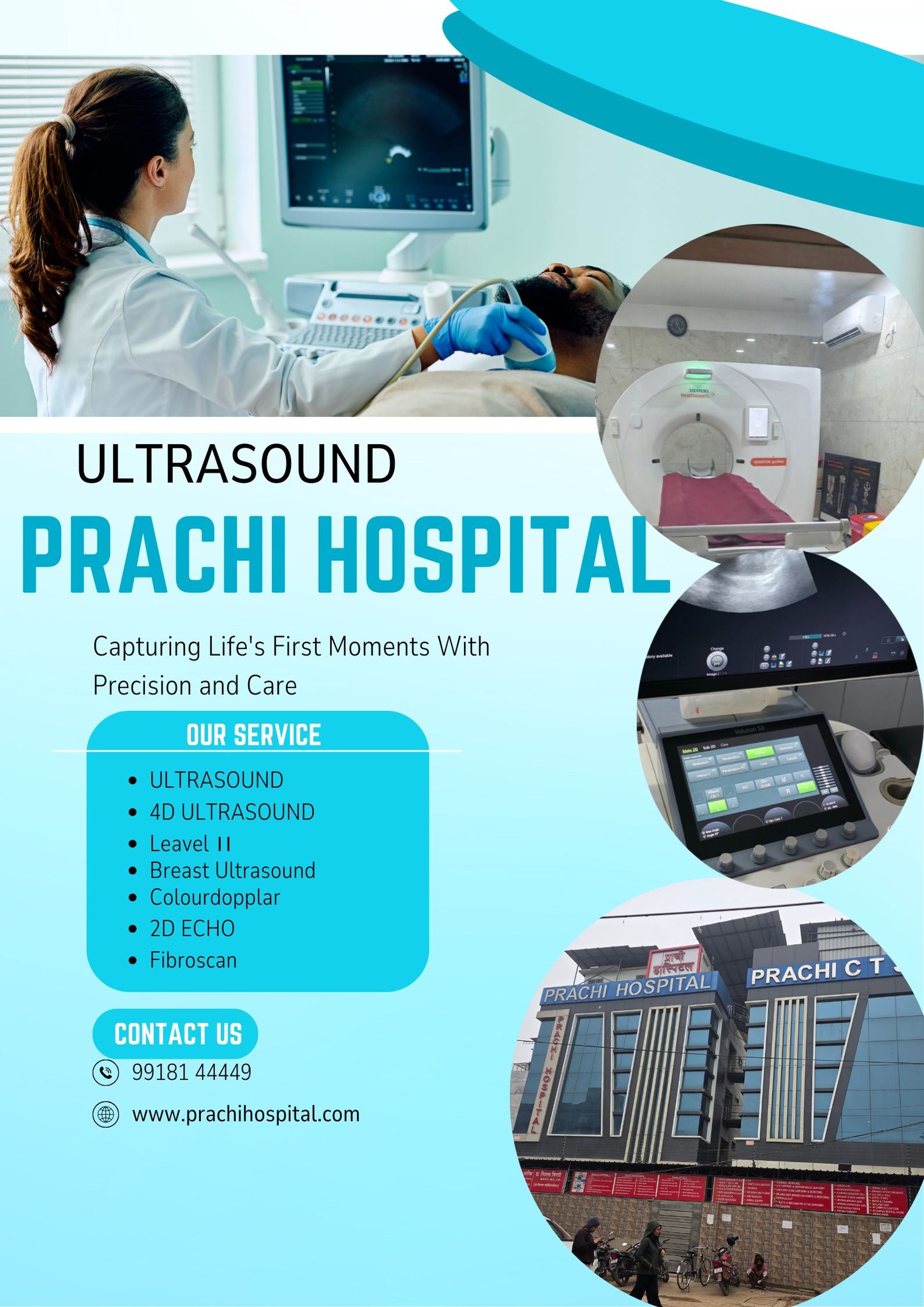
An ultrasound scan is a safe and non-invasive imaging test that uses high-frequency sound waves to create images of organs, tissues, and other structures inside the body. Ultrasound technology is widely used in medical diagnosis because it provides real-time imaging without using radiation.
Doctors commonly recommend ultrasound scans to diagnose health conditions, monitor pregnancy, evaluate internal organs, and guide medical procedures. Ultrasound imaging is painless, quick, and suitable for patients of all ages.
What is an Ultrasound Scan?
Ultrasound, also called sonography, is a diagnostic imaging technique that produces images of the body using sound waves. During the procedure, a small device called a transducer sends sound waves into the body. These waves bounce back and create images on a monitor.
Unlike X-rays or CT scans, ultrasound does not use ionizing radiation, making it one of the safest diagnostic tests available.
Types of Ultrasound Scans
1. Abdominal Ultrasound
This scan examines organs in the abdomen such as:
- Liver
- Gallbladder
- Kidneys
- Pancreas
- Spleen
2. Pregnancy Ultrasound
Pregnancy ultrasounds help monitor fetal growth, detect abnormalities, and estimate the baby’s due date.
3. Pelvic Ultrasound
Used to examine reproductive organs including:
- Uterus
- Ovaries
- Cervix
- Prostate
4. Doppler Ultrasound
Doppler ultrasound checks blood flow through veins and arteries.
5. Thyroid Ultrasound
This test evaluates thyroid gland size, nodules, and abnormalities.
6. Breast Ultrasound
Breast ultrasound helps identify cysts, lumps, and tissue abnormalities.
Why is an Ultrasound Scan Done?
Doctors may recommend an ultrasound scan for multiple reasons including:
- Diagnosing abdominal pain
- Monitoring pregnancy
- Detecting kidney stones
- Checking liver disease
- Evaluating heart conditions
- Examining thyroid nodules
- Detecting cysts and tumors
- Monitoring blood circulation
- Guiding biopsies and procedures
Ultrasound Procedure
Before the Test
Preparation depends on the type of ultrasound:
- You may need to fast for abdominal scans.
- Drink water before pelvic ultrasound.
- Wear comfortable clothing.
- Avoid heavy meals if instructed.
During the Test
- A gel is applied to the skin.
- The transducer is moved over the body area.
- Images appear on a monitor.
- The procedure usually takes 15–45 minutes.
After the Test
Patients can usually resume normal activities immediately after the scan.
Benefits of Ultrasound
Safe and Radiation-Free
Ultrasound does not expose patients to harmful radiation.
Painless Procedure
Most ultrasound tests are completely painless.
Quick Results
Reports are often available quickly.
Real-Time Imaging
Doctors can observe organ movement and blood flow in real time.
Cost-Effective
Ultrasound scans are generally more affordable than CT or MRI scans.
Pregnancy Ultrasound Guide
Pregnancy ultrasound is one of the most common uses of ultrasound technology.
Purpose of Pregnancy Ultrasound
- Confirm pregnancy
- Monitor fetal growth
- Detect multiple pregnancies
- Estimate due date
- Check fetal heartbeat
- Identify complications
Common Pregnancy Ultrasounds
First Trimester Ultrasound
Performed between 6–12 weeks to confirm pregnancy.
NT Scan
Done around 11–14 weeks to evaluate chromosomal abnormality risk.
Anomaly Scan
Usually performed between 18–22 weeks to assess fetal anatomy.
Growth Scan
Monitors fetal growth during later pregnancy stages.
How to Prepare for an Ultrasound?
Abdominal Ultrasound
- Avoid eating for 6–8 hours.
Pelvic Ultrasound
- Drink plenty of water.
- Do not empty your bladder before the test.
Pregnancy Ultrasound
- Follow instructions given by your doctor.
Who Should Get an Ultrasound?
Ultrasound may be recommended for:
- Pregnant women
- Patients with abdominal pain
- Individuals with swelling or lumps
- Patients with urinary problems
- People with thyroid issues
- Individuals with suspected liver or kidney disease
When Should You Consult a Doctor?
Consult a doctor if you experience:
- Persistent abdominal pain
- Unusual swelling
- Pregnancy complications
- Blood circulation problems
- Pelvic discomfort
- Thyroid swelling
Frequently Asked Questions (FAQ)
1. Is ultrasound safe during pregnancy?
Yes, ultrasound is considered safe during pregnancy when performed by qualified healthcare professionals.
2. How long does an ultrasound scan take?
Most ultrasound procedures take between 15 and 45 minutes.
3. Does ultrasound hurt?
No, ultrasound scans are generally painless.
4. Can I eat before an ultrasound?
It depends on the type of ultrasound. Abdominal scans may require fasting.
5. What is the difference between ultrasound and sonography?
There is no major difference. Sonography refers to the process of performing ultrasound imaging.
6. Is ultrasound better than CT scan?
Both tests have different purposes. Ultrasound is safer for pregnancy and soft tissue imaging.